She Didn’t Feel 'Classic' Heart Symptoms, But Listening to Her Body Saved Her Life
A Tyler Woman’s Heart Story, and Why Paying Attention Matters
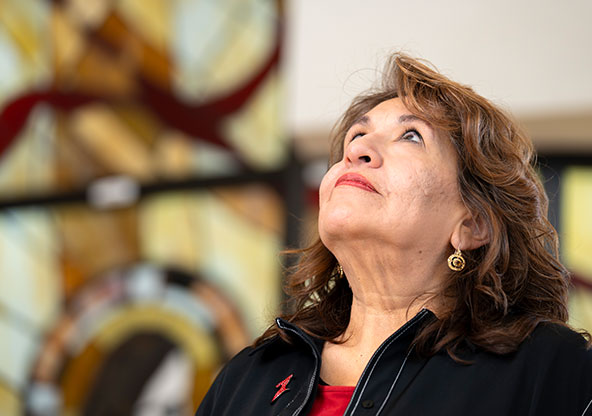
Pat Ayub never thought the pain was coming from her heart.
The prior week, it felt like heartburn. The pain was unfamiliar, but somewhat easy to explain away.
Life was busy. Stress felt normal. Discomfort was something Pat usually pushed through.
Then one morning, she woke up with a pain so sharp it shot across her chest and down her left arm.
“I jolted out of bed and said, ‘I think I’m having a heart attack,’” Pat said. “And the pain just wouldn’t go away. I knew something was really, really wrong.”
Her husband called their daughter, who lived nearby. Pat felt nauseated, weak, and certain that something wasn’t right.
But she recognized the symptoms.
“For years, I’d heard women share their heart stories at the Women With Heart,” she said. “I knew the symptoms.”
That awareness led her to seek care immediately, a decision that likely saved her life.
When Symptoms Don’t Look 'Classic,' But Are Still Serious
At the emergency room, initial tests showed Pat wasn’t actively having a heart attack. Nitroglycerin eased the pain, but something still didn’t add up.
“They told me I wasn’t actually having a heart attack, but I had all the symptoms,” she said. “That’s when it became real.”
She was admitted for further testing. A cardiac stress test and imaging revealed severe blockages in her coronary arteries, an especially serious finding given her medical history.
What The Care Team Noticed Right Away
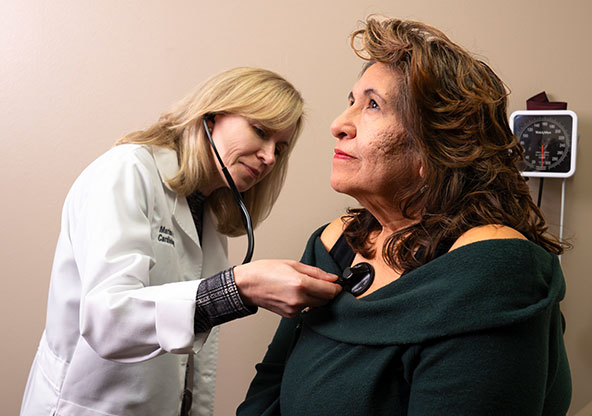
When Pat arrived at the hospital, her symptoms raised immediate concern.
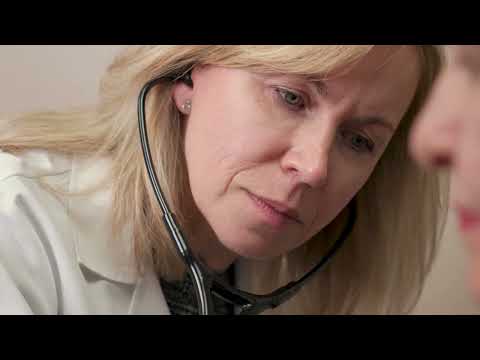
“She arrived with chest pain and weakness from the beginning,” said Dr. Marina Flaskas, an invasive cardiologist at CHRISTUS Health. “She demonstrated a big concern for ischemic heart disease.”
Ischemic heart disease is a condition where the heart muscle isn’t getting enough blood and oxygen. This usually happens because the arteries that supply blood to the heart become narrowed or blocked.
Pat also had several risk factors that increased concern.
“Unfortunately, she has other risk factors, diabetes mellitus, hypertension, dyslipidemia, especially diabetes mellitus,” Dr. Flaskas said.
Though Pat was stable when she arrived, the care team moved forward carefully.
“We took our time to get the care she needed,” Dr. Flaskas said.
Tests followed, including cardiac enzymes, an EKG, and an echocardiogram stress test.
“The stress test told us we needed to look more closely,” Dr. Flaskas said. “A diagnostic catheterization showed severe blockages in the coronary arteries.”
Care That Comes Together
Pat’s care involved a coordinated team across the cardiac unit.
“We were working as a team,” Dr. Flaskas said. “Including physician assistants, physicians who are invasive and interventional, and, of course, our wonderful nurses who provide excellent care.”
Doctors recommended a cardiac catheterization, with permission to place a stent if they found significant blockage.
“I remember thinking, I don’t want to do this twice,” Pat said. “If you see it, fix it.”
The procedure was scheduled for the next morning. That night, surrounded by her children, the gravity of the moment set in.
“You start having conversations you never want to have,” she said.
The procedure itself was quicker and less frightening than Pat expected. When she woke up, it was over. A stent had been placed, and blood flow was restored.
“Honestly, it was scarier in my head than in reality,” she said.
Healing Continues Beyond the Procedure
Dr. Flaskas emphasizes that heart care doesn’t end when a procedure is finished.
“Recovery is not just about the heart,” she said. “It’s about lifestyle, medication, diet, exercise, and reassurance, knowing your heart can handle life again.”
Pat took part in cardiac rehabilitation, adjusted her medications, and committed to managing her diabetes more intentionally.
The results were immediate.
“I could breathe better,” she said. “This heaviness I didn’t even realize I’d been carrying, it was gone.”
Pat lost 40 pounds. Her energy returned. Her blood sugar stabilized. Over time, she was able to reduce several medications.
“One change led to another,” she said. “Once I took care of my heart, everything else started falling into place.”
Why Women Sharing Heart Stories Can Save Lives
Heart disease remains the leading cause of death for women, yet symptoms often look different from those in men. Weakness, fatigue, shortness of breath, nausea, or vague discomfort are frequently dismissed as stress or anxiety.
“That’s why women sharing their stories is so important,” Dr. Flaskas said. “When women hear other women talk about their symptoms, they recognize themselves sooner.”
Pat credits years of attending community heart health events with giving her the confidence to act.
“If I hadn’t heard those stories, I might have talked myself out of going,” she said. “I might have told myself it was nothing.”
Now, she shares her story, so others won’t hesitate.
A Second Chance, and a Message for Other Women
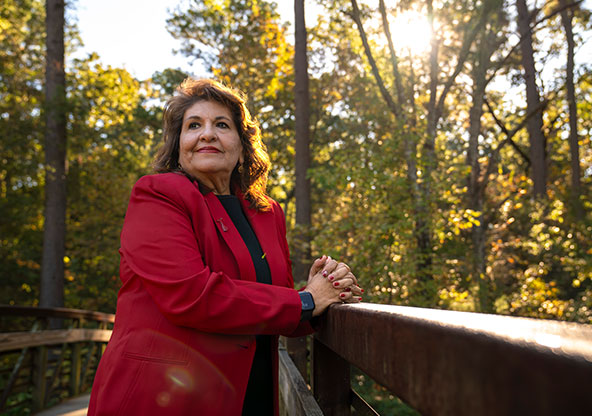
Today, Pat feels strong. Present. Grateful.
“I get to be here with my husband, my kids, my grandkids,” she said. “That’s everything.”
Her message to other women is simple and urgent.
“Go to the hospital,” she said. “Let them tell you you’re wrong. Don’t second-guess yourself,” she said. “Ask questions. Make the time. Don’t put yourself last. Your family needs you."